


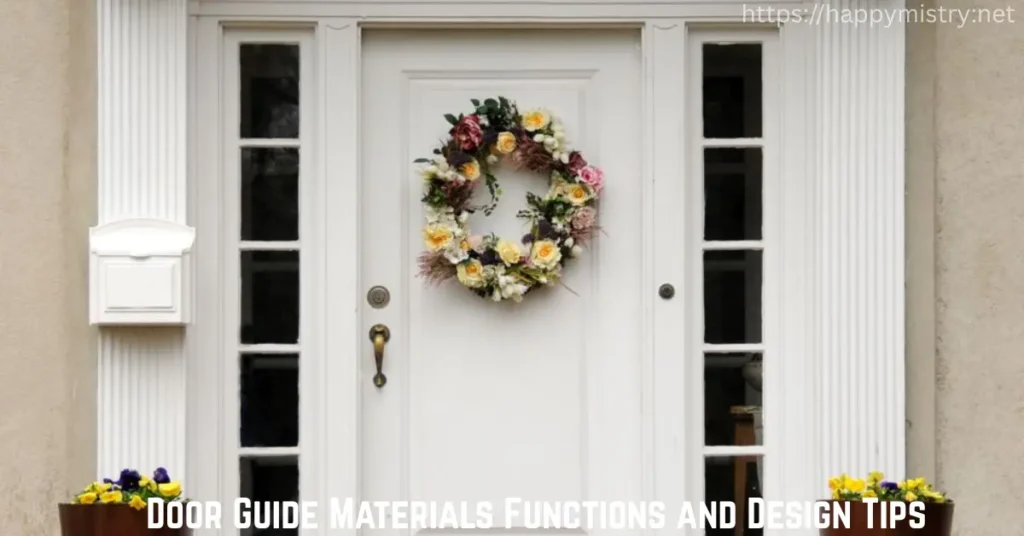
A door is more than just a way to enter or leave a place it is a symbol of safety, comfort, and new beginnings. Every door we open welcomes us into a new space, a new story, and sometimes even a new chapter of life.
From the wooden doors of old houses to the smart glass doors of modern buildings, each one serves the same purpose to connect and protect. Doors may look simple, but they quietly play a big role in shaping our daily lives and the spaces we call home.
History of Doors
The story of doors begins thousands of years ago, when people first started building homes to stay safe from wild animals and bad weather. In the early days, simple cloths, stones, or wooden boards were used to cover the entrance of caves and huts. These were the very first doors basic but useful.
As time passed, ancient civilizations like the Egyptians and Romans began making stronger and more beautiful doors. The Egyptians used wood and metal for protection, while the Romans decorated their doors with carvings to show power and wealth. In ancient temples, doors were even seen as sacred, symbolizing the path between the human world and the divine.
Different Types of Doors
Doors come in many shapes, styles, and materials. Each type has its own use, beauty, and purpose from simple home doors to modern automatic ones.
- Wooden Door: Classic and warm in look, perfect for homes and traditional buildings.
- Glass Door: Stylish and modern, often used in offices and shopping centers to let in natural light.
- Metal Door: Strong and secure, mostly seen in factories, garages, and safety rooms.
- Sliding Door: Moves side to side, great for saving space and giving a smooth, modern touch.
- Revolving Door: Found in hotels and big offices, helps control air and keeps dust out.
- Automatic Door: Opens and closes by sensors, making it easy and safe for public use.
- Fiberglass Door: Light, strong, and weather-resistant a good choice for long-lasting use.
- Panel Door: Made with different sections or panels, common in homes for a neat and classic look.
- French Door: A pair of glass doors that open outward or inward, adding elegance and light to rooms.
- Pocket Door: Slides into the wall, saving space and giving a clean, hidden finish.
Each type of door plays a special role in making our spaces safe, beautiful, and comfortable showing that even simple designs can have big meanings.
Parts of a Door
Every door is made up of several important parts that work together to open, close, and protect our spaces. Each piece has a special role in making the door strong and easy to use.
- Door Frame: The outer structure that holds the door in place and gives it shape.
- Door Panel: The main body of the door, which can be flat or designed with patterns.
- Hinges: Small metal joints that help the door swing open and close smoothly.
- Handle or Knob: The part we hold to open or shut the door easily.
- Lock: Keeps the door secure and protects the room from unwanted entry.
- Threshold: The bottom part of the door frame that connects the floor and helps block dust or air.
- Door Jamb: The vertical sides of the frame that support the door when it moves.
- Door Stop: A small strip on the frame that prevents the door from swinging too far.
- Peephole: A tiny glass opening that lets you see who is outside without opening the door.
- Weather Stripping: Rubber or foam lining around the door that keeps out wind, rain, and noise.
Each part of a door has its own importance, and together they make every door safe, smooth, and ready to welcome us inside.
Functions of a Door in Daily Life
Doors are not just for opening and closing they quietly perform many important roles that make our homes and workplaces safe, private, and comfortable.
- Safety and Security: Doors protect us from strangers, animals, and harsh weather.
- Privacy: They help us create personal space and keep our activities private.
- Comfort and Peace: A closed door keeps out noise and helps us rest or work calmly.
- Beauty and Design: Doors add style and character to buildings, matching the overall look.
- Control of Temperature: They help keep rooms warm in winter and cool in summer.
- Light and Air Control: Some doors, especially glass ones, let natural light and fresh air enter.
- Division of Space: Doors separate rooms and create organized areas in homes and offices.
- Safety During Emergencies: Strong doors can block fire or smoke, giving time to escape.
- Easy Entry and Exit: They provide smooth movement between rooms or outside areas.
- Symbol of Welcome: Opening a door shows warmth and hospitality toward guests.
In daily life, every door silently serves us giving protection, comfort, and connection, all while standing strong between one world and another.
Modern Innovations in Doors
In today’s world, doors are not just for entry or safety they have become smarter, stronger, and more stylish with the help of modern technology.
- Automatic Doors: Open and close with sensors, making entry easy and hands-free in public places.
- Smart Locks: Use fingerprints, key cards, or phone apps instead of traditional keys for better security.
- Soundproof Doors: Block outside noise to create a peaceful environment in homes and offices.
- Energy-Efficient Doors: Designed to keep heat or cool air inside, helping save electricity.
- Fire-Resistant Doors: Made with special materials to slow down fire and keep people safe.
- Eco-Friendly Materials: Built using recycled or sustainable materials to protect the environment.
- Glass and Metal Designs: Give a modern look while keeping strength and beauty in balance.
- Touchless Technology: Uses motion or voice control to open doors without physical contact.
- Smart Home Connection: Doors that connect with home security systems and can be controlled remotely.
- Custom Designs: Modern tools allow creative shapes, colors, and patterns for a personal touch.
These innovations show how doors have moved beyond simple designs to become smarter, safer, and more stylish fitting perfectly into the modern world.
Materials Used in Making Doors
Doors are made from many different materials, each offering its own strength, beauty, and purpose. The right material can make a door last longer and look perfect for its place.
- Wood: The most common material, known for its warmth, beauty, and classic look.
- Steel: Very strong and durable, often used for security and industrial doors.
- Aluminum: Lightweight, rust-free, and great for modern or outdoor designs.
- Glass: Adds elegance and allows natural light to enter, perfect for offices or living rooms.
- Fiberglass: Strong, long-lasting, and resistant to weather, making it great for homes.
- PVC (Plastic): Affordable, waterproof, and easy to clean — often used in bathrooms.
- Composite: A mix of materials like wood and plastic, designed for strength and low maintenance.
- Iron: Heavy and decorative, mostly used in gates or vintage-style doors.
- Copper or Brass: Used in premium designs for luxury and a shiny, golden look.
- Bamboo: Eco-friendly and stylish, giving a natural and fresh touch to modern homes.
Each material gives a unique character to the door from wood’s warmth to steel’s strength making every doorway special in its own way.
How to Choose the Right Door for Your Home
Choosing the right door for your home is important because it affects both the look and safety of your space. A perfect door should match your style, needs, and daily use.
- Consider Safety: Always choose a door that is strong and secure to protect your family.
- Check the Material: Pick a material that suits your weather and location, like wood for warmth or steel for strength.
- Think About Design: Choose a color and style that fits your home’s overall look and feel.
- Set a Budget: Know how much you can spend before buying, to balance quality and cost.
- Space and Size: Measure properly; sliding or pocket doors are great for small spaces.
- Weather Resistance: For areas with rain or heat, choose waterproof or insulated doors.
- Sound and Energy Control: Soundproof or insulated doors help make your home quiet and energy-efficient.
- Ease of Use: Make sure the door opens and closes smoothly and suits your daily routine.
- Maintenance Level: Choose a door that’s easy to clean and doesn’t need frequent repairs.
- Style of the Room: Match the door’s design with your room modern for living rooms, simple for bedrooms.
Selecting the right door is all about balance finding one that keeps you safe, looks beautiful, and makes your home feel truly yours.
Care and Maintenance of Doors
Taking care of doors helps them stay strong, look new, and work smoothly for many years. Regular cleaning and small repairs can make a big difference.
- Clean Regularly: Wipe doors with a soft cloth to remove dust and stains.
- Check Hinges: Oil the hinges often to prevent squeaking and smooth movement.
- Inspect Locks: Make sure locks are working well for safety and replace damaged ones quickly.
- Polish Wooden Doors: Use polish or varnish to keep the wood shiny and protected from moisture.
- Avoid Slamming: Close doors gently to prevent cracks and loose screws.
- Repair Scratches: Fix small dents or scratches early to keep the door looking neat.
- Protect from Water: Keep doors dry, especially wooden ones, to stop them from swelling or warping.
- Check Weather Strips: Replace worn-out rubber strips to block air, noise, and dust.
- Tighten Screws: Regularly check and tighten screws on handles and hinges.
- Repaint When Needed: A fresh coat of paint can make old doors look new and prevent rust or fading.
Good care keeps every door strong, smooth, and beautiful ready to protect your home and welcome you every day.
Doors in Art and Symbolism
Doors are not only useful objects they also hold deep meanings in art, literature, and life. They often stand as symbols of change, opportunity, and mystery.
- Symbol of New Beginnings: An open door often represents new chances or the start of a new journey.
- Mystery and Secrets: Closed doors are used in art and stories to show hidden truths or unknown paths.
- Hope and Opportunity: A door opening in light is a common sign of hope and better days ahead.
- Transition Between Worlds: In paintings and poems, doors can show the move from one stage of life to another.
- Freedom and Choice: Doors remind us that we can choose which path to take or which opportunity to open.
- Protection and Safety: A closed door can symbolize comfort, safety, and the warmth of home.
- Spiritual Meaning: In many cultures, doors represent the passage between the physical and spiritual worlds.
- Artistic Inspiration: Artists use doors in photos, paintings, and films to express emotions and stories.
- Cultural Expression: The style and color of doors in different regions show local art and traditions.
- Dream Symbolism: In dreams, a door can mean change, fear, or the courage to step into something new.
Through art and imagination, doors remind us that every ending can become a new beginning it all starts with the courage to open the door.
Future of Door Design
The future of doors is full of creativity and technology. Modern designers are making doors smarter, safer, and more eco-friendly to match the needs of tomorrow’s world.
- Smart Doors: Doors with built-in sensors, cameras, and voice control for safety and convenience.
- AI-Controlled Systems: Artificial Intelligence that can recognize faces and open doors automatically.
- Eco-Friendly Materials: Use of recycled and sustainable materials to protect the environment.
- Energy-Saving Designs: Doors that help maintain room temperature and reduce electricity use.
- Transparent Smart Glass: Glass doors that can change from clear to opaque with a simple touch.
- 3D Printed Doors: Custom-made designs printed with precision for modern homes.
- Lightweight Metal Frames: Strong but easy-to-move doors that last longer and save resources.
- Noise-Blocking Technology: Improved soundproofing for peaceful indoor spaces.
- Creative Shapes and Colors: Unique artistic designs that turn doors into stylish décor pieces.
- Safety Integration: Doors that connect with smart home systems to detect fire, smoke, or intruders.
Common FAQs About Door
What is the best door for keeping noise out?
Soundproof or solid-core wooden doors are best for blocking noise between rooms or from outside.
How long does a door usually last?
A good-quality door can last 20 to 30 years or even longer with proper care and maintenance.
What is the strongest material for doors?
Steel and solid wood are considered the strongest materials for doors, offering high security and durability.
Can doors help in saving electricity?
Yes, insulated or energy-efficient doors keep rooms warm in winter and cool in summer, reducing power use.
How do I know if my door needs to be replaced?
If your door is hard to close, has cracks, rust, or makes noise, it may be time for a replacement.
What is the best door for small rooms?
Sliding or pocket doors are great for small rooms as they save space and look modern.
Are glass doors safe for homes?
Yes, glass doors made from toughened or laminated glass are safe and strong enough for regular use.
How can I make my old door look new again?
Repainting, polishing, and replacing old handles or locks can give your door a fresh, new look.
Why do some doors swell during rainy seasons?
Wooden doors absorb moisture from the air, which makes them expand or swell in damp weather.
What is the latest trend in door design?
Smart doors with fingerprint locks, motion sensors, and stylish glass or metal finishes are very popular today.
Conclusion
Doors are more than just entryways; they are bridges between spaces, people, and experiences. Every door we open can bring new opportunities, memories, and connections. From creating a welcoming first impression to influencing our comfort and mood, doors play an unseen yet powerful role in our daily lives.
They remind us that even a simple object can carry meaning, protect what we value, and shape the way we move through the world. Every door, whether big or small, old or modern, quietly connects us to life in countless ways.